


What Asphalt Batching Plant Capacity Is Best For A 15 Km Road Project In Bali With 3-Month Deadline?
- aimixgroupid
- Apr 26
- 5 min read
Choosing the right asphalt batching plant capacity is one of the most critical decisions for contractors working on time-sensitive road projects in Bali. A 15 km road with a strict 3-month deadline leaves very little room for error. If your plant capacity is too small, you risk delays and penalties. If it is too large, you may face unnecessary investment and operational costs.
So, how do you find the right balance? In this article, we will break down real project data, construction logic, and practical decision factors to help you select the most suitable asphalt batching plant capacity for your Bali road project.

Understanding Project Scope And Asphalt Demand
Before selecting any equipment, you must clearly define your project requirements. Capacity selection always starts with volume calculation.
Let’s look at a typical 15 km road project in Bali:
Basic Project Parameters
- Road length: 15 km- Road width: 7 meters (standard two-lane road)- Asphalt thickness: 5 cm (0.05 m)- Asphalt density: ~2.3 tons/m³
Estimated Asphalt Volume
Volume = Length × Width × Thickness= 15,000 m × 7 m × 0.05 m= 5,250 m³
Total asphalt tonnage = 5,250 × 2.3 ≈ 12,075 tons
Therefore, your project requires approximately 12,000 tons of asphalt mix.
Now that we know the total demand, the next step is to translate this into daily production requirements.
Calculating Required Daily And Hourly Output
Once total demand is clear, you must align production capacity with your timeline. A 3-month deadline usually means about 90 working days. However, real construction rarely runs every single day.
Let’s consider realistic conditions in Bali.
Effective Working Days
- Total duration: 90 days
- Rain interruptions and maintenance: ~15 days
- Effective working days: ~75 days
Daily Asphalt Requirement
12,075 tons ÷ 75 days ≈ 161 tons/day
Hourly Production Requirement
Assuming 8 working hours per day:161 ÷ 8 ≈ 20 tons/hour
At first glance, a 40 TPH asphalt hot mix plant seems enough. However, this is only theoretical. In practice, you must consider efficiency losses, peak demand, and project risks.
Therefore, we need to go deeper.

Why Theoretical Capacity Is Not Enough
Many contractors make the mistake of selecting a plant based only on calculated output. This approach often leads to delays. Let’s explore why.
1. Equipment Utilization Is Not 100%
Even the best asphalt plants rarely operate at full capacity. Fuel quality, operator skills, and material consistency all affect performance. In Bali, humidity and aggregate moisture can further reduce efficiency.
2. Logistics And Paving Speed Matter
Your plant may produce enough asphalt, but transportation and paving equipment may not keep up. If trucks are delayed, production slows down.
3. Peak Demand Periods
Some stages of the project require faster paving. For example, base and surface layers may need continuous supply. During these phases, higher capacity becomes essential.
Because of these factors, smart contractors always add a safety margin.
Recommended Asphalt Plant Capacity For This Project
Based on real-world experience and project calculations, the ideal plant capacity for a 15 km road project with a 3-month deadline in Bali is:
Recommended Range: 60 TPH To 120 TPH
Let’s break this down further.
Option 1: 60 TPH Asphalt Batching Plant
- Suitable for tight budgets- Enough for steady daily production- Requires efficient scheduling and minimal downtime
Best for: Small contractors or projects with flexible timelines.
Option 2: 80 TPH Asphalt Batching Plant
- Balanced choice between cost and performance- Provides buffer capacity for delays- Handles peak demand more easily
Best for: Most medium-scale road projects in Bali.
Option 3: 100–120 TPH Asphalt Batching Plant
- High efficiency and fast output- Reduces project risk significantly- Supports future projects after completion
Best for: Contractors managing multiple projects or strict deadlines.
In most cases, an 80 TPH asphalt batching plant offers the best balance.
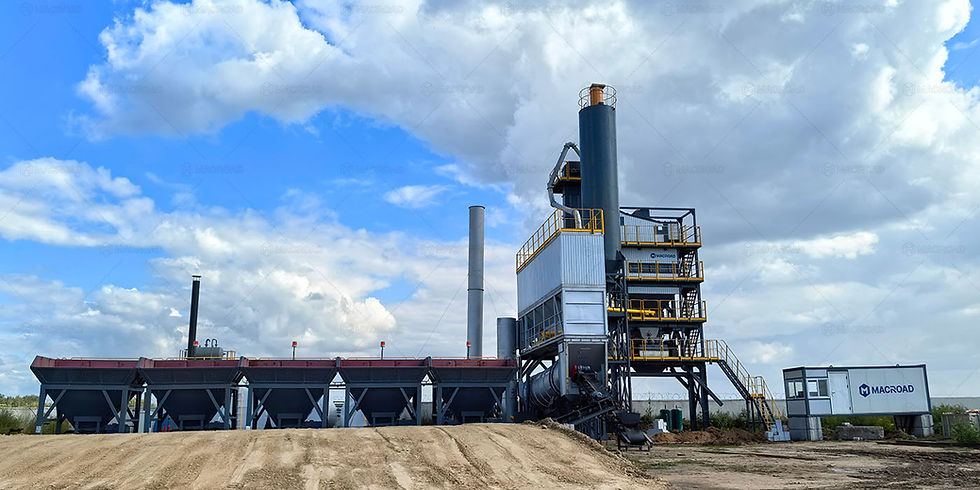
Key Factors That Influence Final Capacity Selection
Even with calculations and recommendations, each project has unique conditions. Therefore, you should evaluate several key factors before making a final decision.
1. Weather Conditions In Bali
Bali has a tropical climate with frequent बारिश. Rain can delay paving and reduce working hours. A higher capacity plant helps recover lost time.
2. Project Location And Transport Distance
If your project site is far from the plant, transportation time increases. In this case, higher production capacity ensures continuous supply.
3. Aggregate Supply Stability
Unstable material supply can interrupt production. A plant with higher capacity allows you to stockpile asphalt when materials are available.
4. Workforce And Equipment Coordination
Your plant capacity must match your paver and roller capacity. Otherwise, you create bottlenecks instead of efficiency.
5. Future Project Planning
If you plan to take more projects after this one, investing in a slightly larger plant can improve long-term returns.
Clearly, capacity selection is not just about numbers. It is about strategy.
Batch Type Vs Drum Type: Which Is Better For Bali?
In Indonesia, especially in Bali, most contractors prefer batch type asphalt plants. This preference comes from practical construction needs.
Advantages Of Batch Type Asphalt Plants
- Precise mix control- Flexible production for different asphalt grades- Better quality for government and urban projects
When Drum Mix Plants Make Sense
- Continuous large-scale projects- Lower initial investment- Simpler operation
However, for a 15 km road project with strict quality requirements, a batch type asphalt plant is usually the better choice.

How To Avoid Common Mistakes When Choosing Capacity
Many contractors face delays or cost overruns due to poor planning. Here are some common mistakes you should avoid.
Choosing The Lowest Cost Option
Low capacity may save money upfront. However, delays and inefficiencies often cost more in the long run.
Ignoring Local Conditions
Every region has unique challenges. Bali’s weather, terrain, and logistics must be considered.
Overestimating Equipment Efficiency
Do not assume perfect performance. Always plan for real-world conditions.
No Backup Plan
Equipment breakdowns happen. A higher capacity plant gives you flexibility to recover quickly.
By avoiding these mistakes, you can protect both your timeline and your budget.
Practical Recommendation For Contractors In Bali
Based on project calculations, field experience, and local conditions, here is a practical recommendation:
For a 15 km road project in Bali with a 3-month deadline:
- Minimum capacity: 60 TPH
- Recommended capacity: 80 TPH
- Optimal capacity for risk control: 100 TPH
This range ensures steady production, flexibility, and project safety.
Conclusion: Choose Capacity Based On Strategy, Not Guesswork
In conclusion, selecting the right asphalt batching plant capacity is not just a technical decision. It is a strategic move that directly affects your project success.
For a 15 km road project in Bali, you need more than just meeting daily output. You must consider weather, logistics, efficiency, and future plans. That is why an 80 TPH asphalt batching plant often becomes the most practical and cost-effective solution.
However, every project is different. The best decision always comes from detailed analysis and professional guidance.

Contact Us For A Customized Asphalt Plant Solution
If you are planning a road project in Bali or anywhere in Indonesia, we can help you choose the right asphalt batching plant based on your exact needs.
Our team will analyze your project scale, timeline, and budget. Then we will recommend a tailored solution that ensures efficiency, quality, and profitability.
Contact us today to get a customized mini asphalt plant plan and start your project with confidence.


Comments